
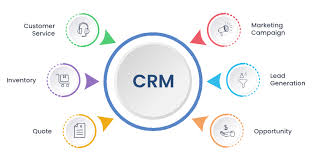

Generating leads is just the beginning.
The real challenge lies in managing them effectively.
Many companies invest in acquisition but miss opportunities because they lack structured follow-up processes. Without a clear system, leads go cold, sales efforts are diluted, and profitability declines.
The problem isn’t in generating demand.
It’s in the follow-up.
When acquisition, conversion, and follow-up are connected, marketing stops being tactical and becomes a predictable system for growth.
What is marketing automation?
La automatización de marketing es el uso de tecnología para gestionar, segmentar y nutrir prospectos de forma aMarketing automation is the use of technology to automatically manage, segment, and nurture leads based on their behavior and interactions.
It’s not just about sending automated emails. It’s about:
- Strategically organizing data.
- Triggering relevant communications.
- Prioritizing opportunities.
- Reducing sales friction.
- Improving the close rate.
When properly integrated with a CRM, automation ensures that every lead receives the right message at the right time.
Organization and segmentation: the foundation of the system
A CRM like HubSpot or Salesforce allows you to categorize contacts based on:
- Level of engagement.
- Demonstrated interest.
- Stage in the buying process.
- Behavioral history.
- Acquisition source.
Without segmentation, all communication is generic.
With strategic segmentation:
- Hot leads are prioritized.
- Messages are personalized.
- The sales team’s time is optimized.
- Losses due to disorganization are reduced.
Data clarity directly impacts operational efficiency.
Strategic Automation: Speed and Consistency
Response speed directly influences the likelihood of closing a deal.
Studies show that leads contacted within the first few minutes are much more likely to convert than those followed up on hours or days later.
Automated sequences allow you to:
- Follow up immediately.
- Nurture prospects with relevant information.
- Remind them of proposals sent.
- Trigger sales alerts.
- Reduce human oversight.
Automation does not replace the sales team.
It empowers it.
Lead nurturing: turning interest into a decision
Not all leads are ready to buy right away.
This is where strategic nurturing comes in:
- Informative emails.
- Success stories.
- Comparisons.
- Valuable content.
- Smart reminders.
When content addresses objections before the sales call, the closing rate increases.
The goal isn’t to pressure them.
It’s to guide them through the decision-making process.
Artificial Intelligence Applied to Decision-Making
AI has transformed the way companies analyze data.
With advanced tools, it is possible to:
- Identify behavioral patterns.
- Predict conversion probability.
- Detect opportunities for optimization.
- Automate recommendations.
- Tailor messages based on interaction.
Artificial intelligence enables working with large volumes of information in real time and turning data into actionable decisions.
It’s not just operational automation.
It’s data-driven strategic optimization.
How Automation Reduces Acquisition Costs
Many opportunities aren’t lost during the acquisition phase, but rather due to a lack of structured follow-up.
Imagine two companies that generate the same number of leads.
Company A responds late and without segmentation.
Company B automates follow-up and prioritizes prospects who are ready to buy.
Company B doesn’t need more traffic. It needs better management.
When data is organized and follow-up is consistent:
- The close rate increases.
- Return on investment improves.
- Actual CAC is reduced.
- Sales time is optimized.
- Predictable growth is generated.
Automation isn’t about spending more. It’s about converting better.
The Complete Ecosystem: Acquisition + Conversion + Follow-Up
True performance happens when all stages are connected:
- Paid Media generates demand.
- SEO builds visibility.
- The website converts traffic.
- Creativity improves efficiency.
- CRM and automation turn opportunities into actual revenue.
When the system is integrated, growth stops depending on isolated efforts and starts responding to the overall architecture.crecimiento deja de depender de esfuerzos aislados y comienza a responder a arquitectura.
Conclusion: Real growth happens in the follow-up
Implementing a CRM and automation systems isn’t just an operational improvement; it’s a strategic decision that directly impacts your close rate and profitability.
Many companies believe they need more leads.
In reality, they need to better convert the ones they already have.
At Advivo, we build systems that connect traffic, conversion, and sales into a cohesive and measurable ecosystem.
Because true performance doesn’t happen in a single stage.
It happens when the entire system works in alignment.